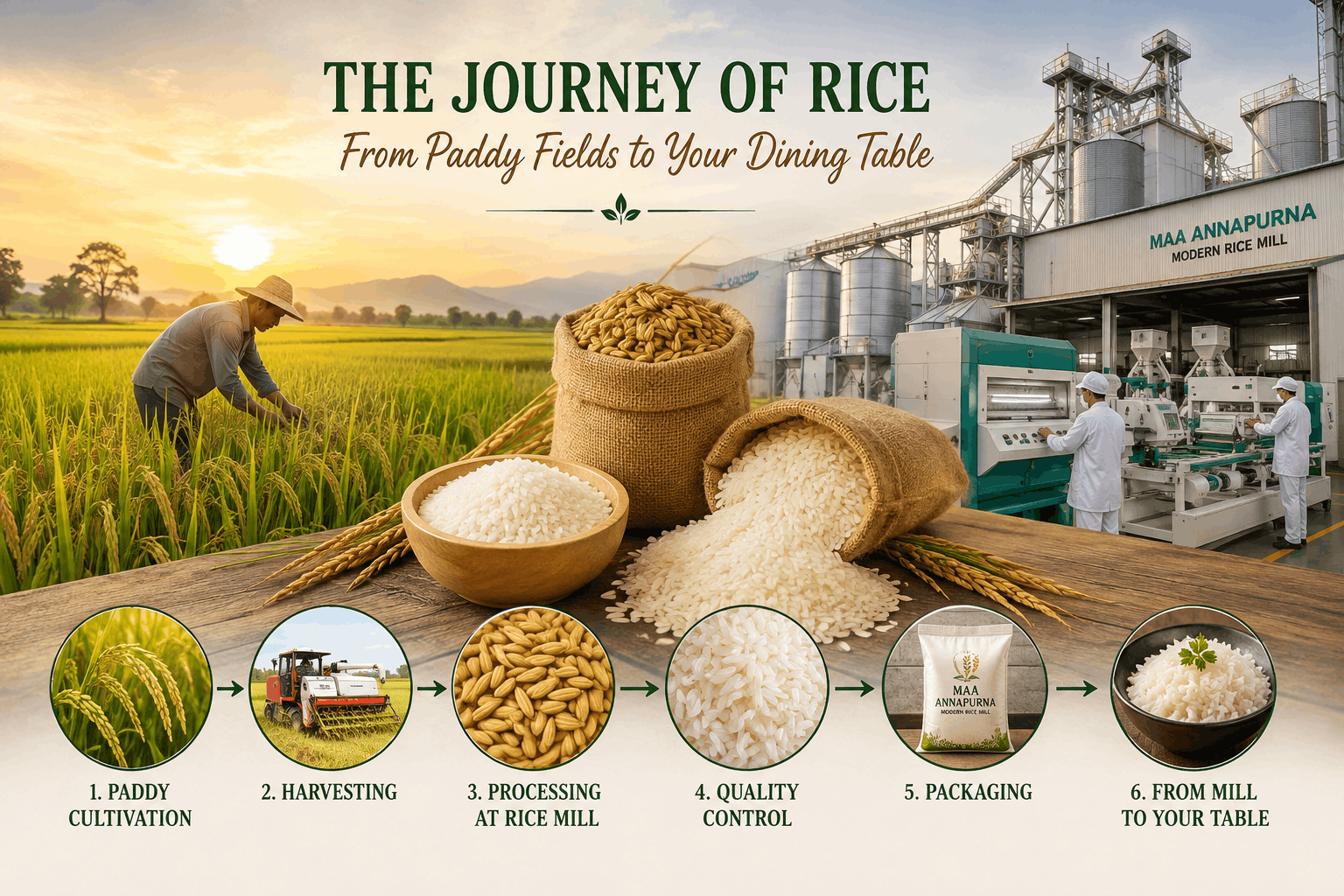
Rice is one of the most versatile food grains in the world. It is consumed in countless forms and serves as a staple ingredient in many cuisines. Understanding different rice varieties can help consumers choose the right grain for specific recipes and dietary preferences.
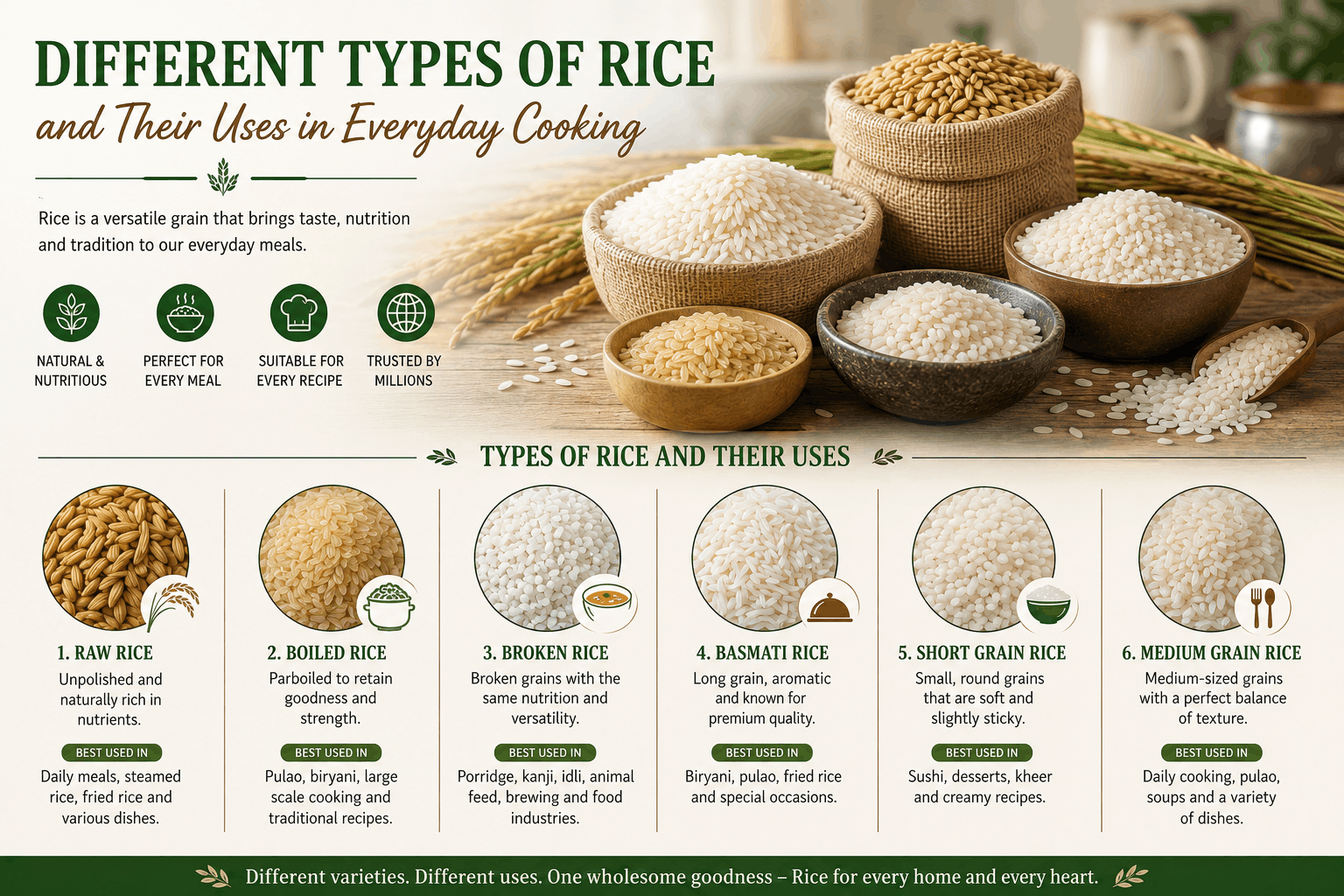
One of the most common categories is raw rice. Raw rice undergoes minimal processing and retains its natural characteristics. It is widely used in daily meals and is known for its soft texture and versatility. Raw rice is suitable for steamed rice dishes, fried rice, and various regional recipes.
Boiled rice, often known as parboiled rice, is another popular variety. During processing, paddy is partially boiled before milling. This method helps preserve nutrients and improves grain strength. Boiled rice remains separate after cooking, making it ideal for large-scale food preparation and traditional dishes.
Broken rice consists of fragments of rice grains that are separated during the milling process. Despite its smaller size, broken rice retains the same nutritional value as whole rice. It is widely used in porridge, snacks, brewing, animal feed, and food processing industries. Broken rice is also a cost-effective option for many consumers.
Basmati rice is globally recognized for its long grains, distinctive aroma, and exceptional cooking quality. It is commonly used in biryanis, pulao, and premium rice dishes. The grains expand significantly during cooking, creating an attractive appearance and excellent texture.
Short-grain rice contains higher starch content and becomes soft and sticky when cooked. It is often preferred for specific regional recipes and dishes requiring a creamy texture.
Medium-grain rice offers a balance between long-grain and short-grain varieties. It remains tender after cooking and is suitable for a wide range of recipes.
Rice selection depends on several factors, including cooking method, desired texture, nutritional requirements, and personal preference. Restaurants, food manufacturers, exporters, and households often choose different varieties based on their specific needs.
Nutritional value also plays an important role in rice selection. Rice provides carbohydrates, energy, and essential nutrients that support daily dietary requirements. Different processing methods can influence nutrient retention, texture, and cooking behavior.
Storage is another important consideration. Rice should be kept in a cool, dry place to maintain freshness and prevent moisture absorption. Proper storage extends shelf life and preserves grain quality.
As consumer preferences continue to evolve, the demand for premium-quality rice varieties continues to grow. Manufacturers who offer diverse options while maintaining strict quality standards can successfully serve both domestic and international markets.
Whether it is raw rice for everyday meals, boiled rice for traditional cooking, broken rice for industrial applications, or basmati rice for premium dishes, every variety serves a unique purpose. Choosing the right rice enhances both flavor and dining experience, making it an essential ingredient in kitchens around the world.